








How to Take Beautiful Food Photos for Your DIY Cookbook

A homemade cookbook is much more than a collection of recipes. It's a way to preserve family traditions, celebrate your favorite meals, and create something meaningful that can be shared with friends, loved ones, or even future generations.
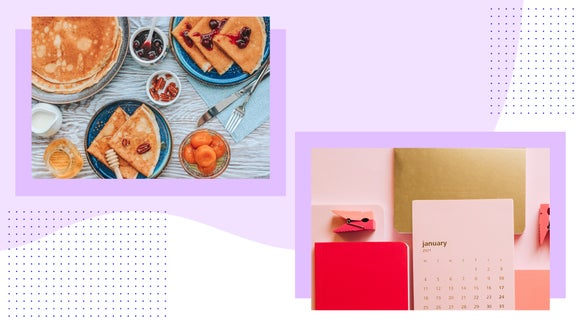
Beautiful food photography helps bring those recipes to life. Whether you're designing a family keepsake, creating a personalized gift, or self-publishing your own cookbook, high quality photos make every page more inviting.
Thankfully, you don't need a professional studio to capture cookbook-worthy images. With the right camera setup, natural lighting, and a few simple styling techniques, you can create beautiful food photos right from your own kitchen.
In this guide, we'll share five practical food photography tips to help you capture stunning images for your cookbook. Once you've taken your favorite shots, you can polish them in BeFunky's Photo Editor before designing your pages. If you're just getting started, be sure to check out our guides on How to Make Your Own Cookbook and How to Design Printable Recipes for even more inspiration.
Without further ado, here are our top 5 food photography tips for cookbooks!
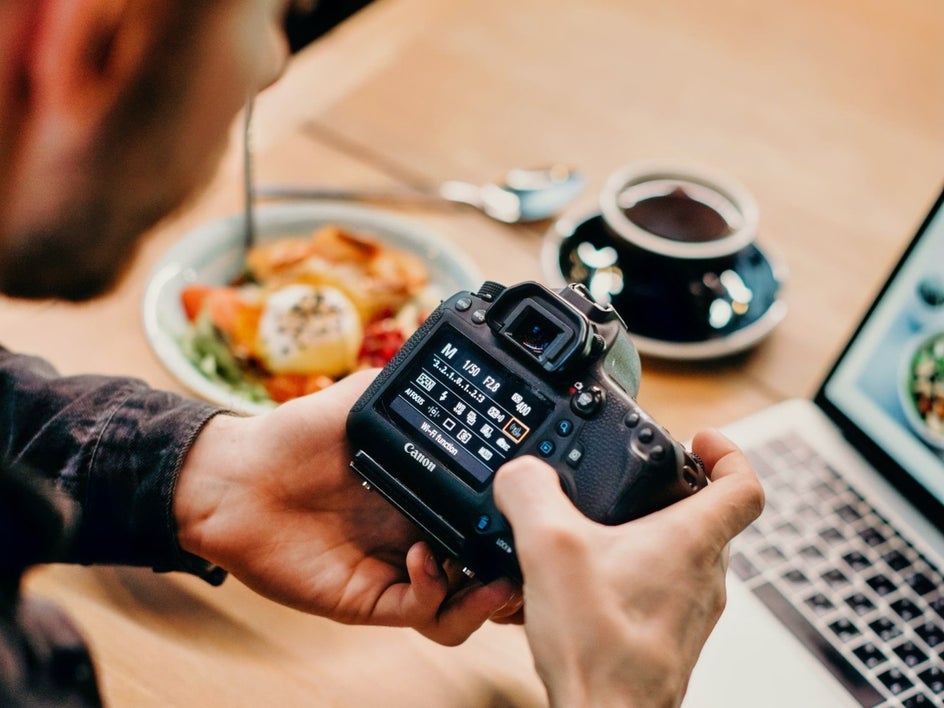
1. Choose the Right Camera for Your Needs
The best camera is the one that helps you consistently capture your favorite recipes.
Modern smartphones are a fantastic option for home cooks. They capture impressive detail, are always within reach, and make it easy to photograph a recipe while it's fresh from the oven or beautifully plated on the table.
If you edit primarily on your phone, BeFunky's Mobile App lets you quickly enhance your cookbook photos wherever inspiration strikes.
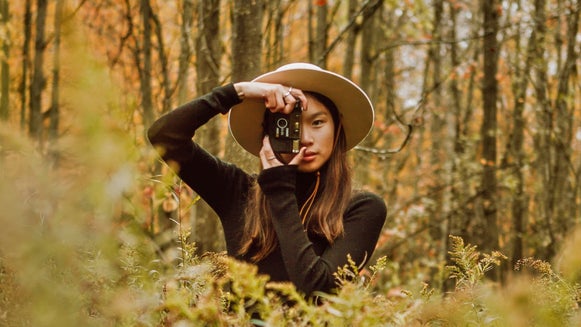
If you're creating a cookbook you'll print or self-publish, you may also want to consider a mirrorless or DSLR camera. Interchangeable lenses and manual controls offer greater creative flexibility and can help produce crisp, professional-looking images.
Whatever camera you choose, understanding a few basic photography settings will help you create stronger images from the start.
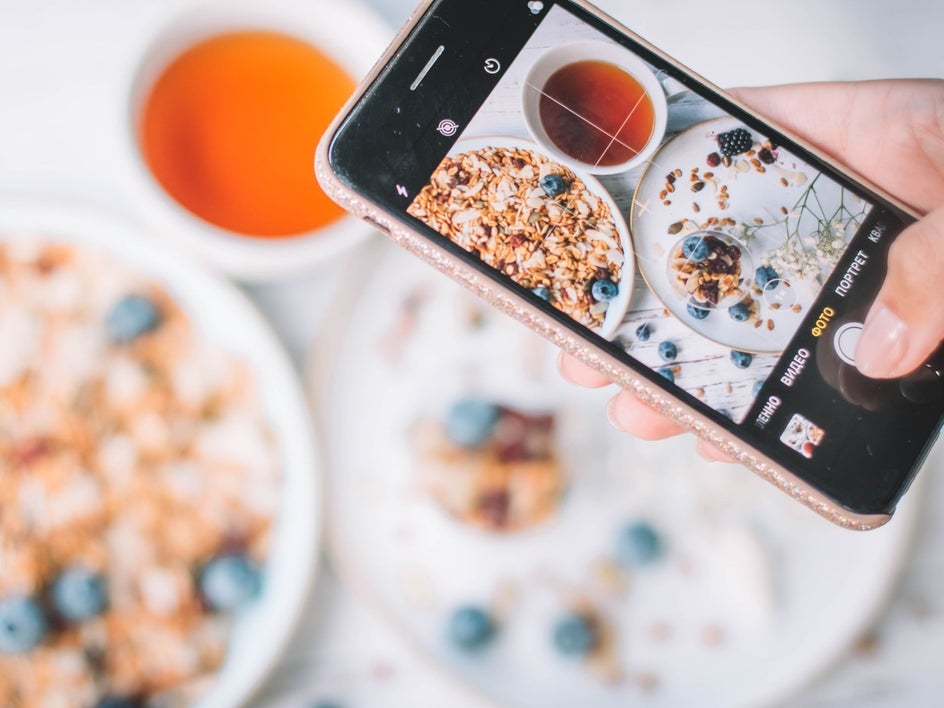
2. Use the Most Effective Camera Settings
Sharp, well-exposed images help every recipe look its best. If you're using a dedicated camera, try these settings as a starting point:
- Use a wider aperture (around f/2.8 to f/5.6) to softly blur the background while keeping your dish in sharp focus.
- Choose a smaller aperture (higher f-stop) when photographing larger table settings or multiple dishes.
- Keep your ISO as low as possible to reduce image noise.
- Use a tripod when shooting in lower light to prevent camera shake.
If you're photographing with a smartphone, tap your subject to lock focus before taking the photo. Most smartphones also let you adjust the exposure with a simple swipe, making it easy to brighten or darken the image before you capture it.
Small adjustments like these can noticeably improve your cookbook photography.
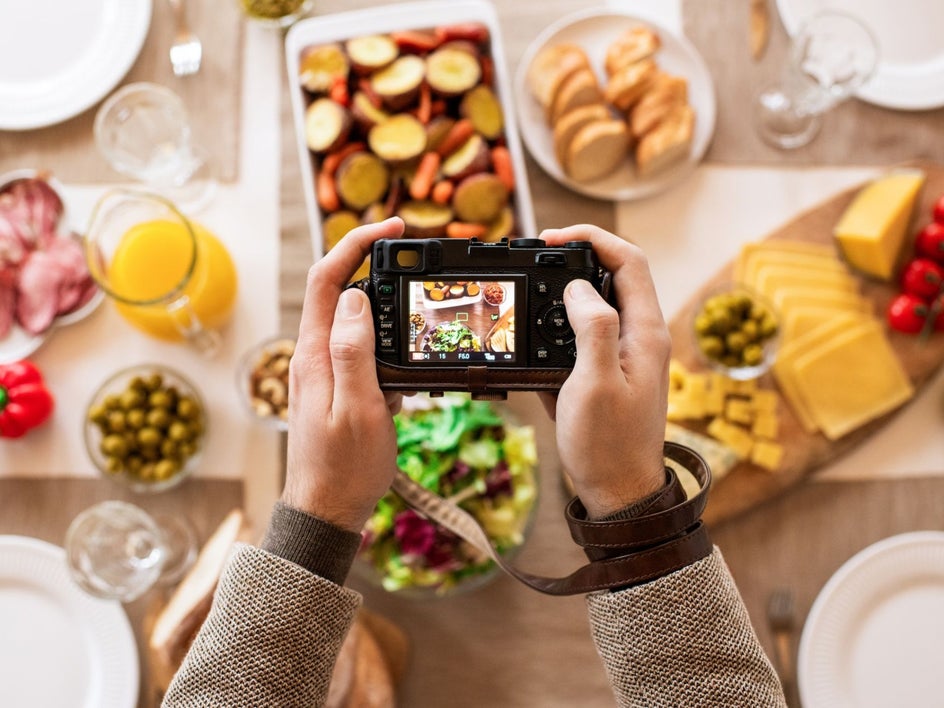
3. Use Natural Light to Create Consistent Images
Lighting plays a huge role in making food look fresh and appetizing. Whenever possible, photograph your dishes near a large window using indirect natural light. Soft daylight highlights texture, preserves natural colors, and creates gentle shadows that add depth.
Avoid direct sunlight, which can create harsh highlights and distracting shadows.
If the light is too strong, soften it with a sheer curtain. If one side of your dish appears too dark, place a white foam board or reflector opposite the window to bounce light back onto the food.
Using similar lighting throughout your project also helps create a cohesive visual style, making your finished cookbook feel more polished.
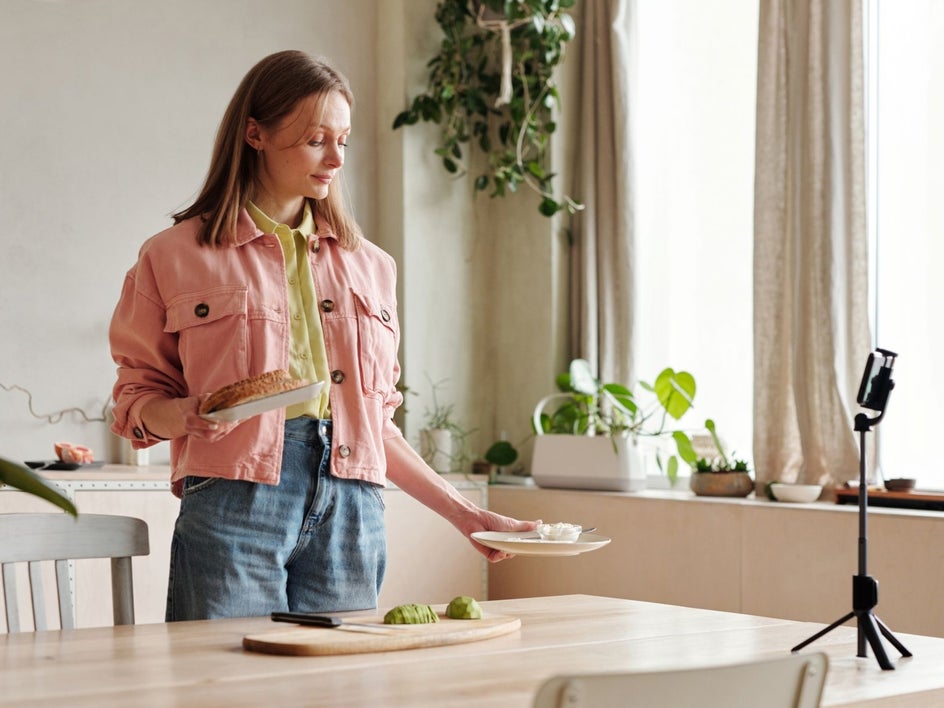
4. Style Your Food Without Distracting From It
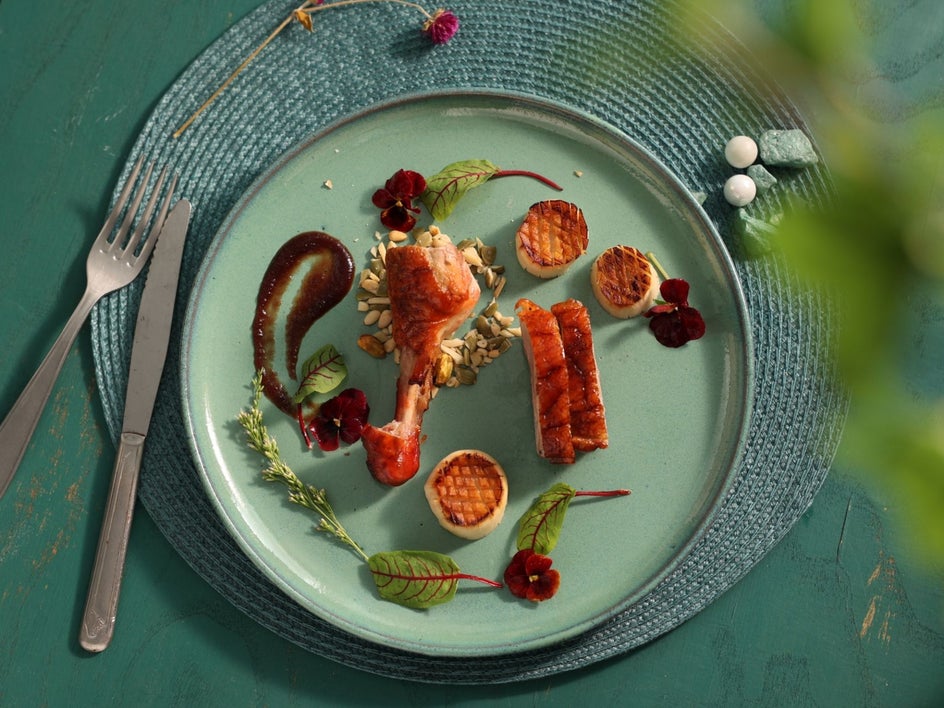
Your recipes should always be the star of the page, so choose simple backgrounds and props that complement the dish without competing for attention. Wooden tables, marble countertops, neutral plates, and linen napkins all add warmth and texture while keeping the focus where it belongs.
You can also include a few supporting elements, such as:
- Fresh herbs or ingredients used in the recipe
- Simple cutlery
- Linen napkins
- A complementary drink
- Rustic serving boards or bowls
Be sure to leave some negative space around the dish to create a balanced composition.
Finally, photograph your meal while it's still fresh. Steam, glossy sauces, crisp vegetables, and melted cheese all look their most appetizing immediately after plating.
5. Capture Multiple Angles for More Engaging Content
Rather than taking a single photo, capture several angles before choosing your favorite for your cookbook.
Some of the most effective food photography angles include:
- Overhead / Flatlay (90°): Great for pizzas, cookies, charcuterie boards, and table spreads.
- 45-degree angle: A versatile option for most plated meals because it resembles the way we naturally view food while seated.
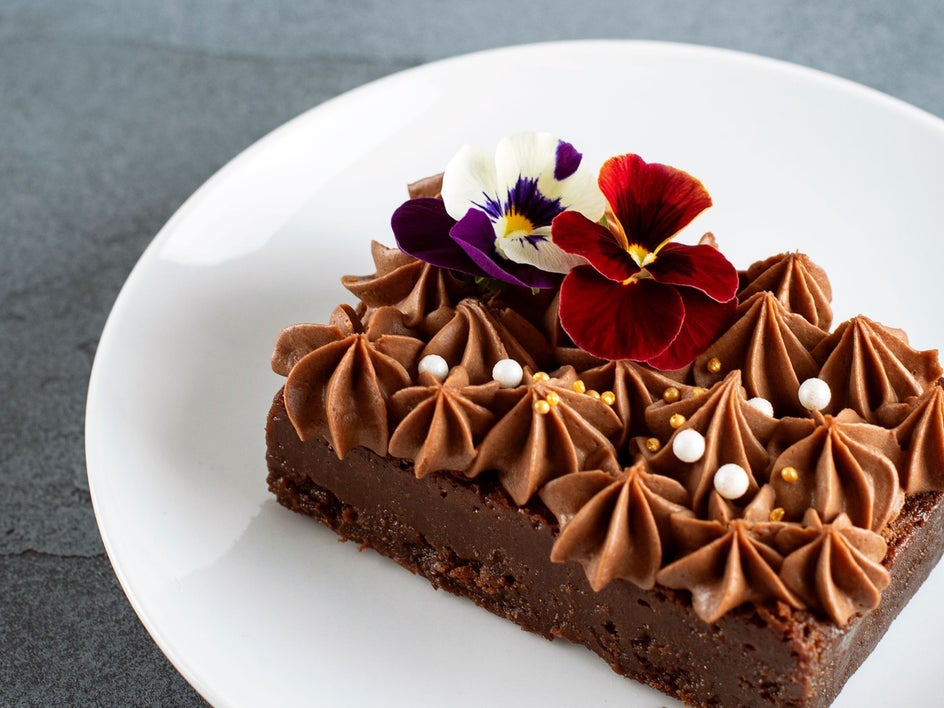
- Straight-on (0°): Perfect for layered cakes, burgers, pancakes, desserts, and drinks.
You can also use the rule of thirds to create more balanced and visually striking compositions.
Finally, consider taking both full-dish photographs and close-up detail shots. A hero image beautifully introduces the recipe, while detail photos highlight textures, ingredients, or special finishing touches throughout your cookbook.
Bring Your Cookbook to Life
Beautiful photography transforms a collection of recipes into something people will treasure for years to come.
Once you've captured your favorite dishes, use the Photo Editor to enhance your images before arranging them into your finished cookbook. Then, explore our guide on How to Make Your Own Cookbook to turn your recipes into beautiful pages you'll be proud to share, gift, or pass down through generations!